Back from the Brink
How three Waikato sport parks are adapting to a changing world
By Lisa Bishop, Community Engagement & Impact Specialist
Across the Waikato region, community sporting facilities that once thrived as social and sporting hubs have faced mounting pressure, and are now just surviving. Incorporated societies have lapsed, volunteering has changed, and facilities have aged, all while costs have risen sharply.
At the same time, society itself has changed - how people work, how families spend their time, their expectations and what they want from sport. For some sporting organisations, the scenario has become unavoidable: adapt or close the doors.
At Resthills Sports in south Hamilton, Davies Park in Huntly, and Tom Voyle Park in Cambridge, that moment arrived, and each responded differently. Their stories paint a picture of how community facilities need to adapt to changing times.
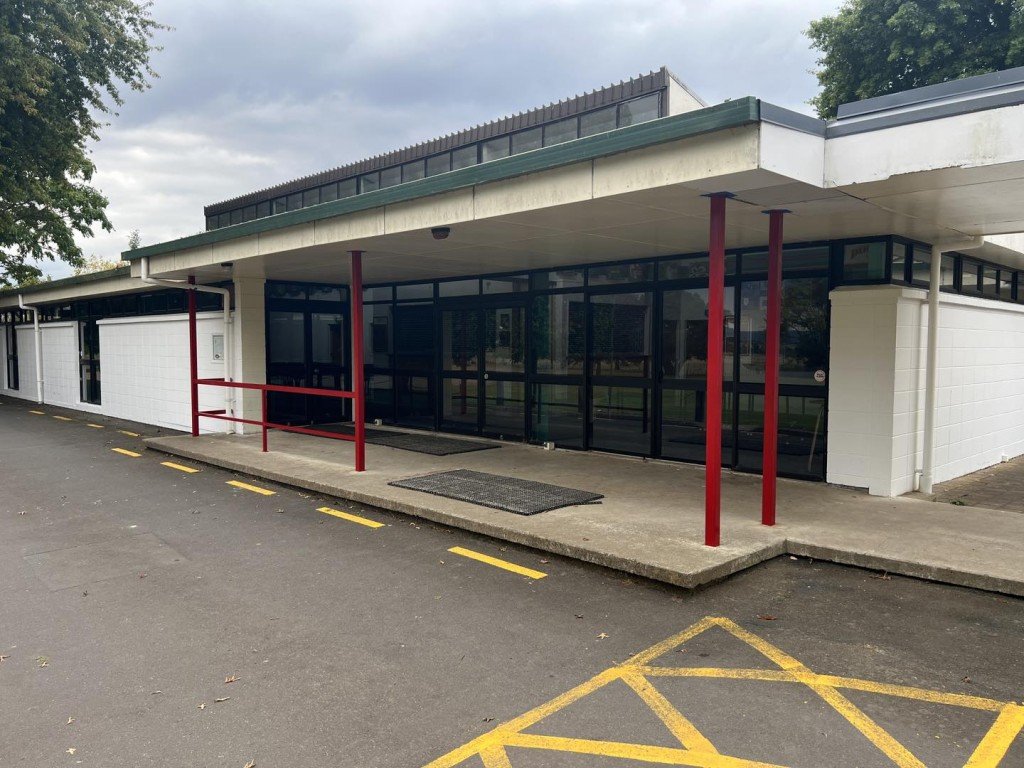
By early 2023, Resthills Sports was at a breaking point. Jointly owned by Waikato Rugby League and Waikato Softball, Resthills carried both the strength - and the challenge - of shared responsibility. The incorporated society had lapsed; insurance expired, and deferred maintenance had accumulated quietly over years.
In February 2023, representatives from both codes and the wider community gathered to decide the Centre’s future. What followed was not a quick fix, but a strategic reset and a focus on ‘Better! Busier! And Basics!’
A new board was formed - three representatives from each founding code, plus two independent members who brought with them professional and community expertise. The shift was deliberate: collaboration and skills-based governance were needed to move forward.
The new board hasn’t solved every issue overnight, but it gave Resthills something it hadn’t had for years: clarity, accountability, and momentum.
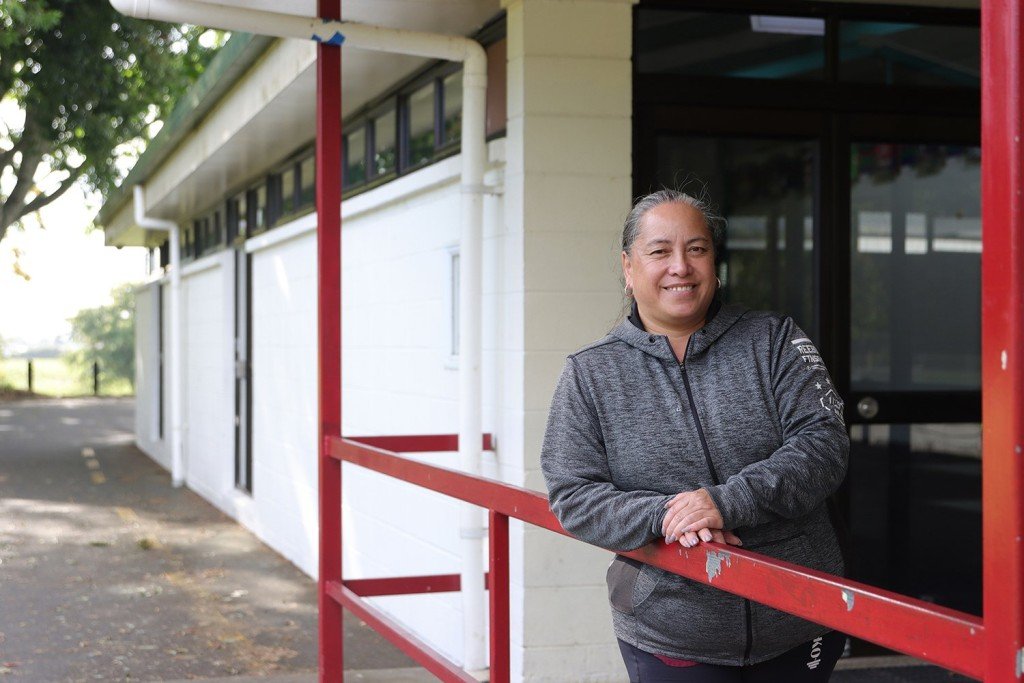
The basics came first - the incorporated society was reinstated, insurance renewed, safety and compliance addressed; and from there things started to move forward.
“The Corrections department have been a big part of this as well - crews came in every few weeks - painting, water-blasting, cleaning,” says Board member Patsy Paul. “Anything that stood still long enough got fixed.”
But the most significant shift came when looking at the needs of the community.
Resthills Sports no longer positions itself as simply a sports venue. With 2,800 new homes planned nearby, it is evolving into ‘a community hub that also does sport’, welcoming informal activity, social connection, and shared use alongside traditional competition.
Since the change, they’ve hosted weddings, birthdays, quiz nights, social agency wellbeing days, national archery and softball events, kapa haka, and martial arts with plans for more.
“We’ve had to move with the times,” said Patsy “Sport is still the heart - but it can’t be the only thing anymore.”
In Huntly, the story of Davies Park is similar but different – and deeply personal.
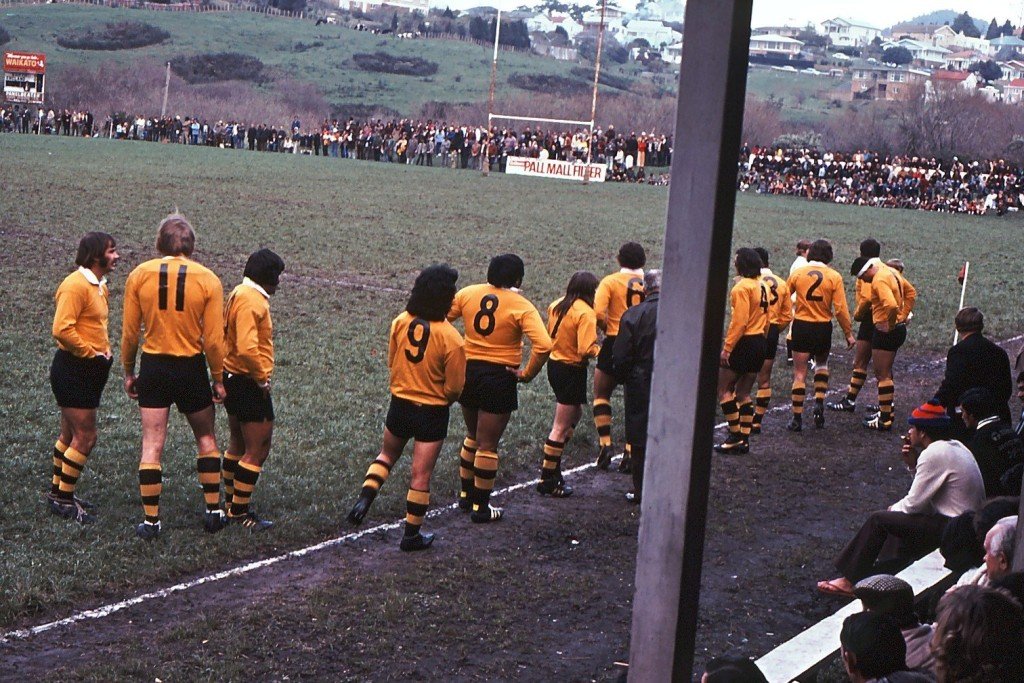
Opened in 1937 and owned by Waikato Rugby League Inc and affiliated clubs, Davies Park had been home to rugby league for generations. The only income that has kept the park running operationally is the minimal gate charge of $5.00, as well as some funding that has covered capital works.
But by 2018, funding pressures and rising costs overwhelmed the system. The board walked away, grass grew waist-high, fences had collapsed - the park was effectively abandoned.
That’s when Rex Hohaia stepped in.
“I've been involved as a player, and then an administrator, then as a coach, then as a caretaker. I was a caretaker here through the '90s, and all those roles were voluntary,” said Rex.
With no budget and no guarantees, Rex began doing what needed to be done - mowing grass so long it needed baling, organising working bees, borrowing equipment, and calling in favours from across the community.
Paint was donated, contractors discounted work, and locals turned up with machinery and time.
“There's a Maaori proverb that I have. Ehara taku toa i te toa takitahi, eengari he toa takitini. And what it basically means is I'm not a one-man band, but a band of many.”
Slowly, games returned, and with them, people. By 2024, Davies Park was once again hosting packed grand final weekends, with the gate takings now helping fund ongoing maintenance. The formation of the Davies Park Heritage Trust has added long-term oversight and a pathway toward sustainability.
“In the 1970s, on a Saturday afternoon, all the shops were closed. So you go and watch footy. And that's where everybody came, and stayed social. And it created memories. And this is exactly what I like about what's happening here [now]. That weekend that we had, the grand final, that created memories for people.” said Rex.
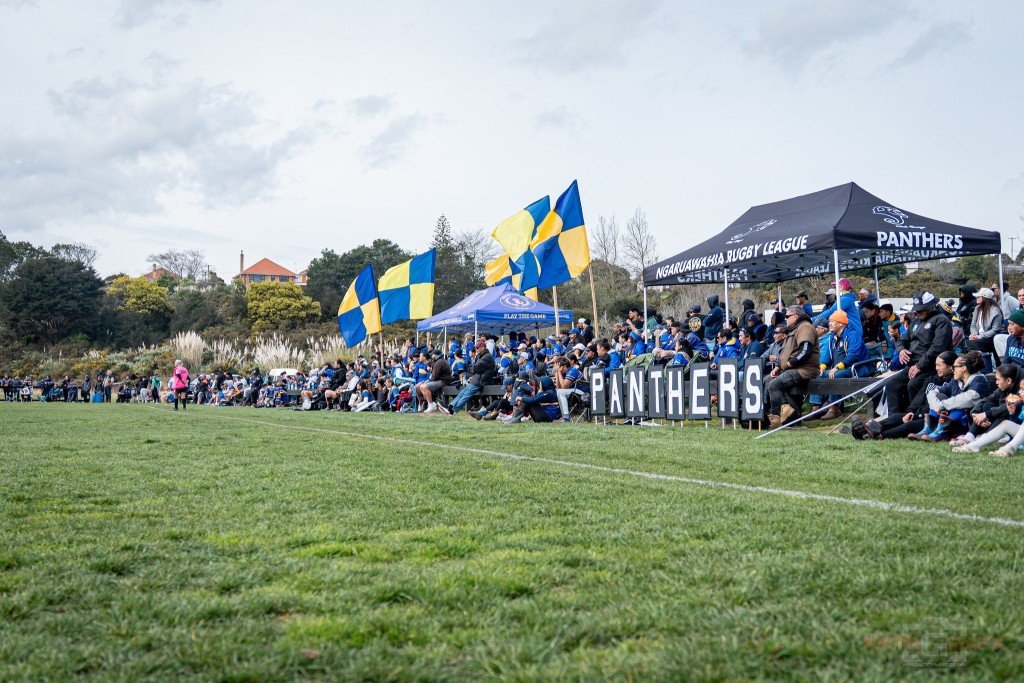
Davies Park’s renewal is a reminder that management, care, history and connection can be just as powerful as formal structures.
In Cambridge, Tom Voyle Park Sports Club (TVP Sports) faced a quieter crisis.
Founded in 1950, the Club had supported multiple sports over decades. But by the time Board Chairperson Jacqui McCann became involved, volunteer fatigue had taken hold. The club had slipped off the incorporated societies register, and only four netball teams remained active.
“Things didn’t fall apart overnight,” Jacqui says. “People were tired, and the structure wasn’t sustainable anymore.”
The solution wasn’t to ask more of volunteers - it was to ask less.
TVP Sports adopted a hub-and-support model, separating governance and systems from delivery. A small governance group now manages finances, registrations, compliance, and marketing, allowing sports to focus on participation.
“I wanted to shift it into the space of having a governance group and then having codes be able to come and utilise us to run without having to worry about the strategy and the policy,” Jacqui says.
“And we just provide the tools for them to be able to do that. So they have the administration - we have that all set up, ready to go. Social media, we manage all of that for them.”
“And I think the key thing is that it's sustainable past the people in the roles currently. That's what it has to be.”
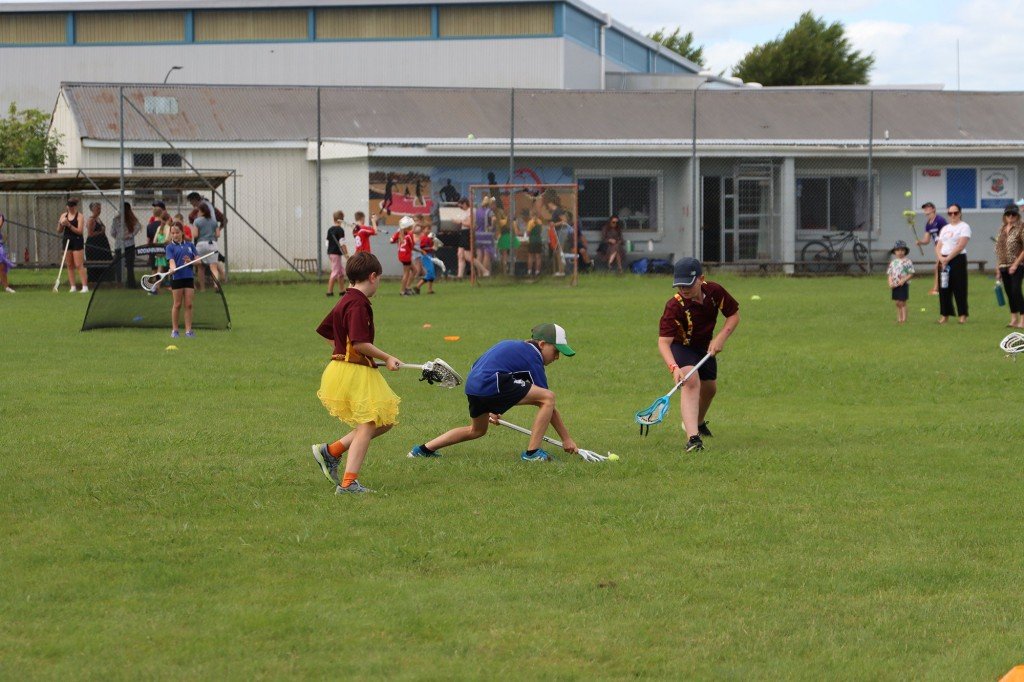
The impact has been almost immediate. Lacrosse approached the club seeking clearer pathways for young players. Junior softball modules launched locally, removing the need for families to travel to Hamilton, and as barriers dropped, participation increased.
In just one term, membership grew from under 50 to nearly 280 participants. Crucially, systems are documented and shared, ensuring the club can continue even when individuals step away.
“If someone leaves, the club doesn’t fall over,” Jacqui says. “That’s the difference.”
These three stories reflect broader shifts happening across sport.
Modern families are time-poor. Dual-income households, longer commutes, and competing commitments mean people want flexibility, not obligation. Rising costs of living have made travel, fees, and equipment harder to absorb. Volunteers are still willing but not in the way they once were.
Where committees once met weekly and volunteers “just mucked in”, today’s reality looks different: People want connection, but not rigid roles; they will help, but within their capacity; they value belonging, without long-term obligation.
Participation is also changing. Informal, social and entry-level sport is growing. People want spaces where they can bring children, connect socially, and participate on their own
Facilities that succeed now are those that: reduce friction, share responsibility, offer flexibility, and welcome people as they are.
Resthills, Davies Park, and Tom Voyle Park took different paths back from the brink, but their lesson is shared.
By adapting governance, sharing the load, putting people before process, and ensuring the needs of the community are heard, these organisations are showing what the future of community sport can look like.
 Lisa Bishop
 Lisa leads the conversion of community insights, impact data and research findings captured by the organisation into evidence-based content and campaigns. Her focus is on community impact storytelling, capturing case studies, human narratives, and data stories that bring Sport Waikato’s mahi to life.