Why school and community facility partnerships matter
Rising construction costs, pressure on public funding and population growth mean communities need to think differently about how sport and recreation infrastructure is planned, funded and used.
Across the Waikato, Sport Waikato has worked alongside schools, councils and other partners to support shared facilities that serve both educational and community needs.
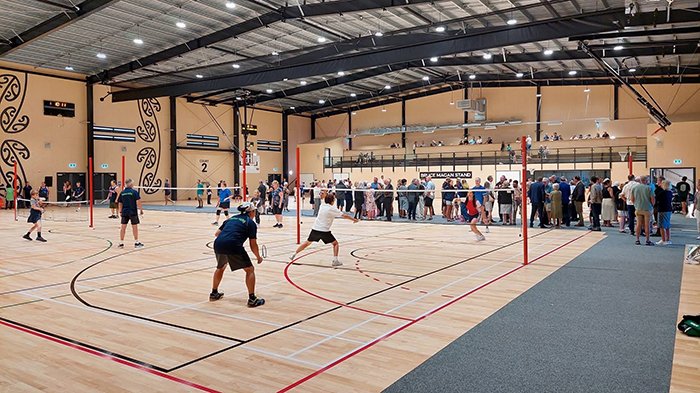
The Peak in Rototuna (Hamilton), Gallagher Recreation Centre in Te Kūiti and Open Country Community Stadium in Matamata demonstrate what this approach can achieve. All three are located on Ministry of Education land and have become well-used community facilities.
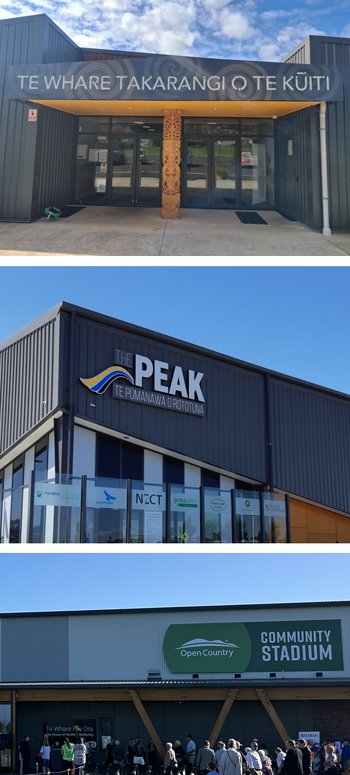
In 2025, The Peak recorded more than 230,000 visits and an average occupancy rate of 82%. Gallagher Recreation Centre received more than 77,000 visits in its first year, while Open Country Community Stadium welcomed more than 28,000 attendees during its first four months.
Sport Waikato Spaces and Places Manager Shane Brodie believes partnerships like these will become increasingly important.
“School and community infrastructure partnerships should no longer be viewed simply as best practice. With the financial and population pressures ahead of us, they are becoming a necessity,” Shane says.
Schools already form a significant part of the Waikato’s sport and recreation infrastructure network. Regional data shows 43% of facilities are located on school sites, including 62% of indoor courts and 87% of aquatic venues.
There is also an opportunity to make greater use of these spaces, with 47% of Waikato schools indicating they would welcome more community access.
“We already have a significant network of facilities located within schools, so we need to look at how we can make better use of these assets for the benefit of both students and the wider community,” Shane says.
“Working in partnership can help reduce unnecessary duplication, make investment go further and provide more affordable and accessible opportunities for people to be active.”
However, successful shared use requires more than opening school facilities outside teaching hours.
“These partnerships need to be carefully planned and supported. Strong governance, early involvement in planning and design, formal agreements and effective booking systems all contribute to a successful and sustainable outcome,” Shane says.
For councils, schools and other organisations considering how to meet current or future facility needs, the Waikato examples demonstrate what can be achieved by bringing the right partners together.
Every community will have different needs, assets and opportunities. Sport Waikato can help partners understand their local infrastructure network, explore potential partnership models and consider whether shared facilities could provide a sustainable way forward.
Read Shane’s full piece to learn more about the benefits of school and community partnerships and what is needed to make them work.