Understanding movement in Waikato
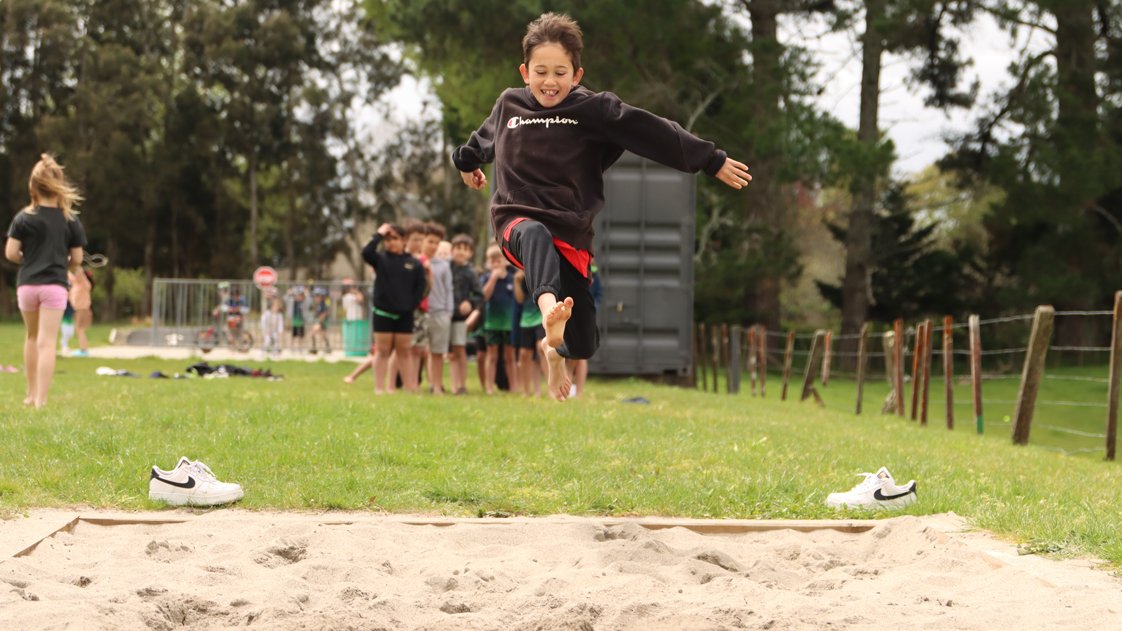
What does movement really look like across the Waikato?
In 2025, we completed our Moving Waikato Community Survey, capturing insights from more than 9,600 adults across the region. What emerged is a clear: movement in the Waikato is diverse, deeply personal and shaped by the communities we live in.
“Movement is not one size fits all. Neither is the Waikato,” says Sport Waikato Strategic Insights and Data Manager Lot Hawkins. “If we want to support people to be active, we need to start with understanding their culture, their environment and their everyday lives.”
Different cultures experience movement in different ways. For some, it is about strengthening whaanau and identity, where being active is a way to connect, share experiences and reinforce a sense of belonging. For others, it is driven by social connection or a sense of purpose, and for many, it is simply about fitting movement into already busy daily routines.
Despite these differences, the greater Waikato is an active region. Around 81 percent of people are meeting physical activity guidelines of at least 150 minutes per week, but not always through traditional sport or structured exercise.
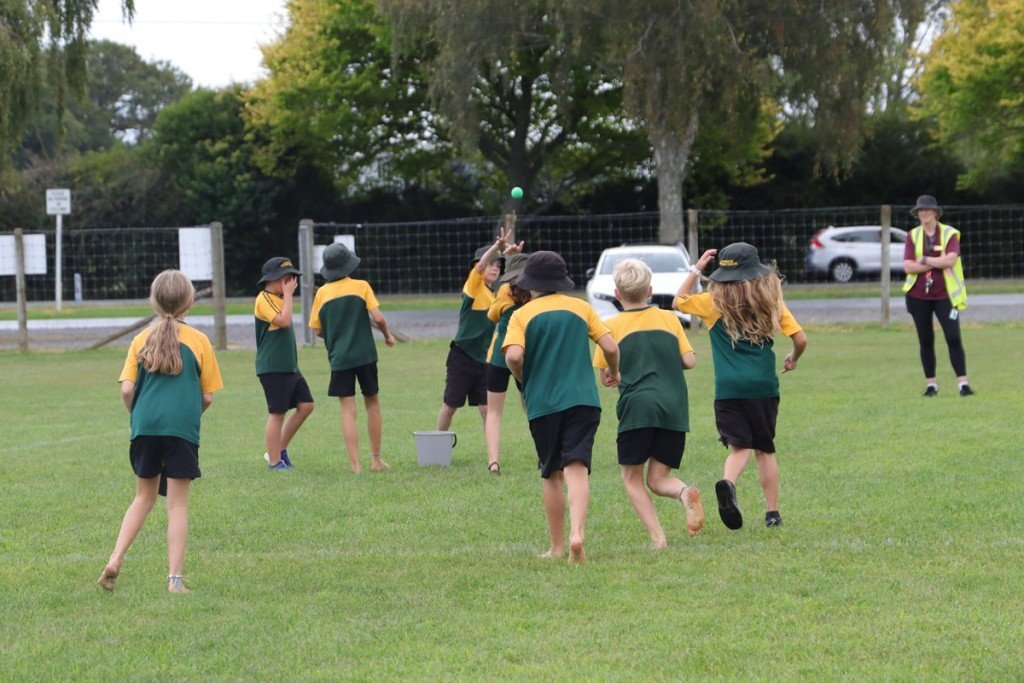
Instead, movement often happens in everyday ways. Walking in local parks, cycling and playing with children all play a significant role. These moments may not always be labelled as “exercise”, but they are a vital part of how people stay active.
“Activity isn’t always something extra that people add into their day,” says Lot. “For many, it is already woven into their lives through whaanau, work and community.”
This everyday nature of movement is reflected in why people choose to be active. While performance and fitness matter, the strongest drivers are physical health and mental wellbeing. More and more, people are moving to feel better, manage stress and support their overall wellbeing rather than to compete.
How and why people move also changes across life stages. Younger people are often influenced by social environments and enjoyment. Adults balance movement with work and family commitments, while for older adults, activity becomes more about maintaining independence, health and quality of life.
“There’s no single moment where movement ‘clicks’ for everyone,” Lot says. “It evolves as people move through life and how we offer opportunities needs to evolve with them.”
Technology is also beginning to shape how people engage with activity. Around two thirds of people are using some form of technology, particularly wearable devices and apps, to support their movement. While still emerging, these tools are becoming part of how people track, motivate and maintain activity in their daily lives.
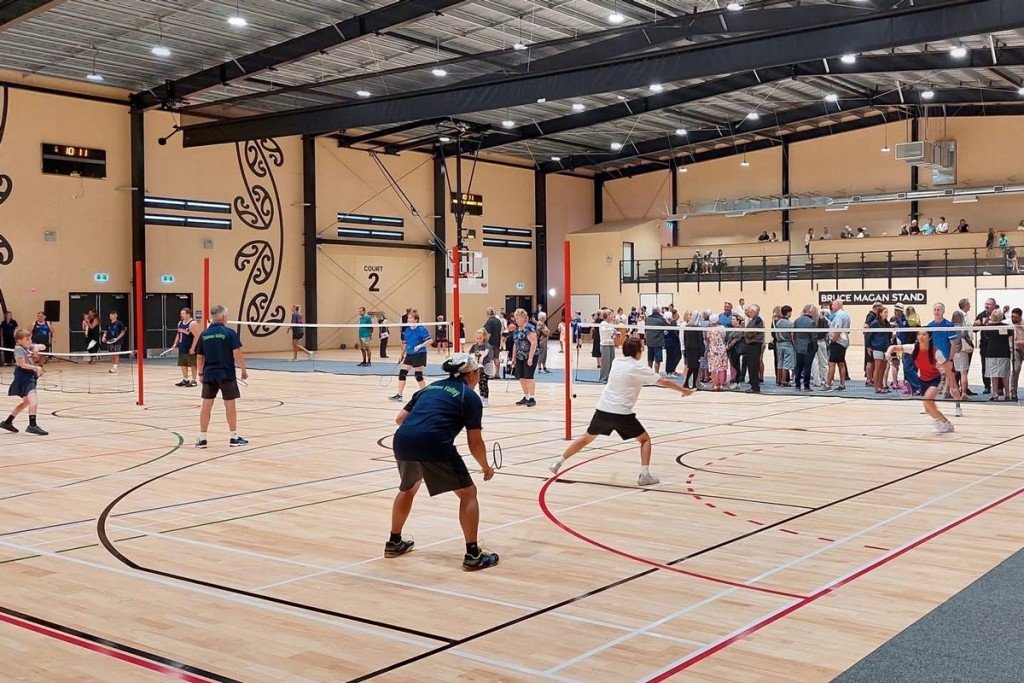
“We’re not just looking at how active people are,” Lot says. “We’re looking at what movement means to them in their environment. Because if we understand that, we can create opportunities that truly connect.”
These insights shape how we work across the region. They help us partner more effectively with communities, support locally led approaches and design opportunities that reflect the different ways people experience movement. By ensuring our work is being driven by real community insight, we can better support a system that enables more people to be active in ways that are meaningful to them.
Find out more
To learn more about the Moving Waikato Community Survey, email Strategic Insights and Data Manager, Lot Hawkins.