Rethinking teen sport

Teenagers aren’t quitting sport, we’re designing it wrong
We often hear that young people are losing interest in sport. But what if they’re not walking away from activity at all — just the environments built around it?
Data from Sport Waikato’s Moving Waikato Youth Survey 2025 points to a different story.
Rangatahi aren’t rejecting physical activity. They’re rejecting environments that no longer reflect who they are becoming.
And this isn’t just a Waikato story. Sport New Zealand’s Active NZ data shows participation declines through adolescence. Internationally, the same pattern is seen, with participation peaking in early adolescence and dropping through the teenage years as identity, social connection and competing priorities become more influential.
“What we’re seeing isn’t disengagement from activity, it’s disengagement from the way it’s traditionally delivered,” says Lot Hawkins, Strategic Insights & Data Manager at Sport Waikato.
Belonging is the driver
Adolescence is a time when identity takes shape. Belonging shifts from whaanau to peers, from structure to self-expression.
Over half of rangatahi say their peers influence their participation as much as their whaanau.
What matters isn’t just what they do, but who they are when they’re doing it, and whether they feel like they fit.
If young people don’t feel like they belong, they don’t stay.
This isn’t a participation problem. It’s a design problem
In Waikato, just over half of rangatahi meet recommended activity levels, but nearly two-thirds of boys meet the guideline compared with just one-third of girls.
That’s not a small drop-off. That’s a system failing a whole group of young people.
The data also shows a clear shift when young people move from primary to secondary school. Wellbeing drops, particularly for those entering more structured environments earlier.
“The decline in wellbeing reflects more than age, it reflects a shift in environment. As structure increases and autonomy and belonging are challenged, wellbeing tends to drop.”
That should make us pause. Because it suggests the issue isn’t access.
It’s design.
So, what needs to change?
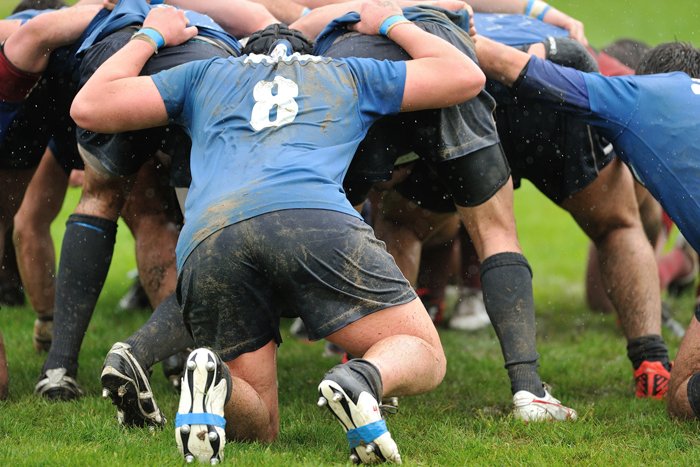
Young people are looking for connection, flexibility and spaces where they can show up as themselves, not just as a position on a team.
So instead of asking why teenagers are dropping out of sport, we should be asking, who are these environments actually designed for? And if we want rangatahi to stay engaged, we need to move beyond designing programmes for them, and start designing with them.
Because while the meaning of activity changes during adolescence, its value does not.
“When we get the environment right, young people don’t need to be convinced to participate. They choose to,” says Hawkins.
Want to go deeper?
Read the complete Thought Leadership piece by Amy Frost to explore what this means for schools, communities and the future of youth participation.