More than a facility: the value of sport and recreation hubs
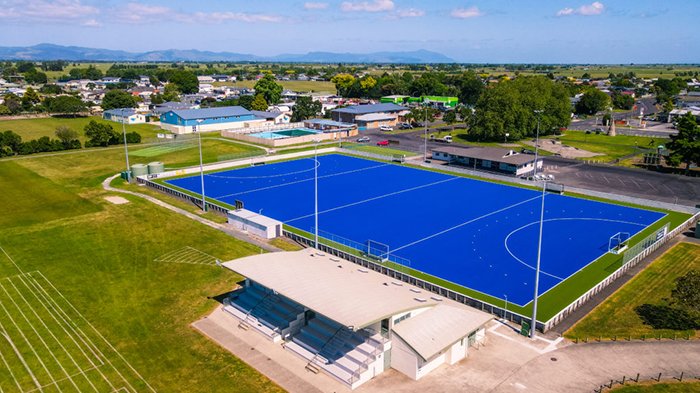
Across the Waikato, many sport and recreation clubs face similar challenges, from ageing facilities and rising costs to volunteer pressures and changing participation patterns.
Increasingly, there is an opportunity for clubs and community organisations to work together, share resources and find new ways to support the communities they serve.
This is at the heart of hubbing.
A sport and recreation hub brings clubs, organisations and community groups together to share resources, knowledge, expertise and responsibilities. It doesn't necessarily mean sharing a building or bringing multiple sports into one location. It's about creating a more connected way of working that benefits both organisations and their communities.
"Every community is different, so every hub will look different. The important thing is starting with what the community needs, rather than simply what facilities already exist," says Ben Danieli, Recreation Infrastructure Advisor at Sport Waikato.
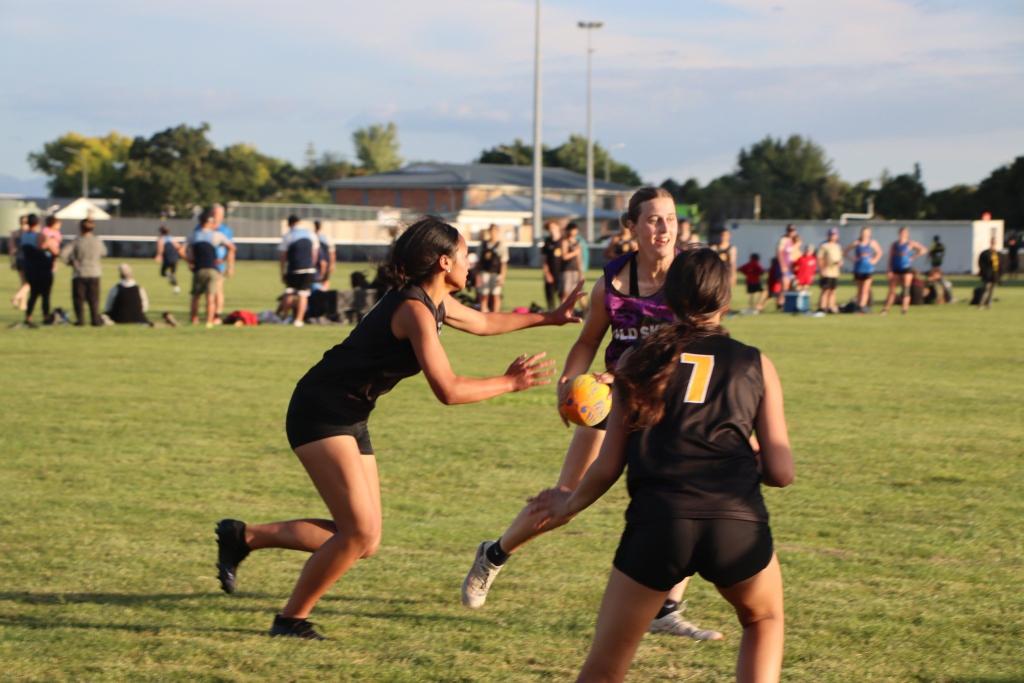
Hubbing in action: Hauraki Plains Community Hub
The Hauraki Plains Community Hub is one example of how this approach can work in practice.
Established six years ago, the initiative began with a desire to bring local sport and recreation organisations together to better use their collective resources.
"We approached as many clubs/organisations as we could and had a public meeting to establish the needs of those groups," recalls former Hauraki Plains Community Hub chairperson Alex Quinn.
Those early conversations identified common challenges, including declining membership and concerns about the capacity and skills of future volunteers.
Following COVID-19, many participating clubs experienced an increase in participation, prompting the hub to reconsider how it could best support its members.
"We then decided to support the groups by attending their meetings to establish where we could assist," says Alex.
The focus shifted towards strengthening relationships, encouraging collaboration and breaking down barriers between organisations.
Sport Waikato supported the hub in its early stages by providing guidance, facilitating conversations and connecting people and organisations. More recently, Regional Connectivity Coordinator Rob Corkill has continued that support, helping local clubs access wider knowledge, expertise and opportunities.
The Hauraki Plains experience shows that hubbing doesn't need to begin with a building project or major investment. It can start with a conversation and a shared willingness to work differently.
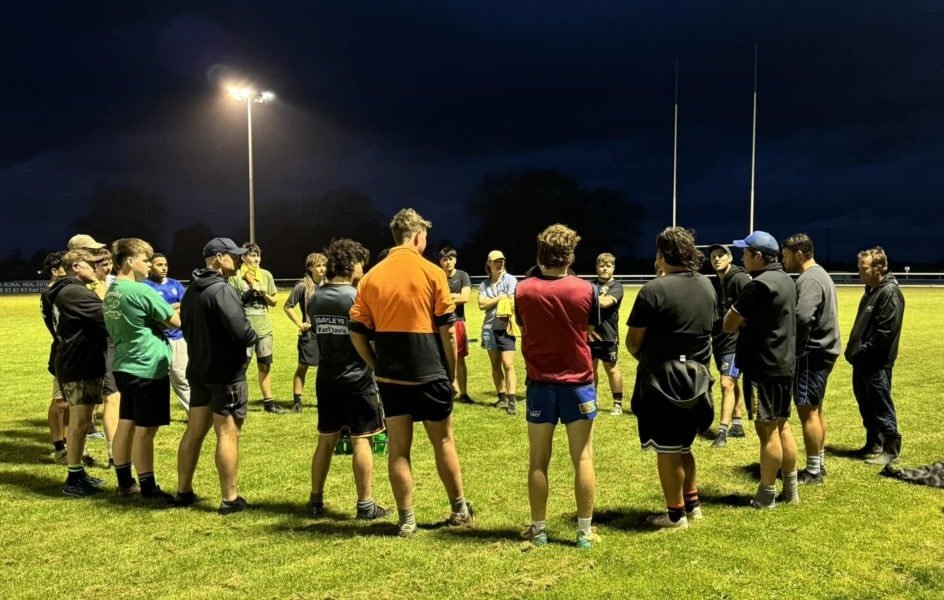
Creating greater value together
For clubs and community organisations, hubbing can help reduce duplication, share administrative responsibilities, ease pressure on volunteers and make better use of existing facilities and resources. Working collectively can also strengthen their ability to attract funding and investment, particularly where projects demonstrate wider community benefits.
It can also create opportunities to coordinate activities, connect different groups and make it easier for more people to participate.
Importantly, working together doesn't mean clubs need to lose their individual identities.
"Hubbing doesn't mean clubs have to lose their identity. It's about looking at what can be shared, where working together makes sense and how we can make these spaces work harder for the whole community," explains Ben.
Ultimately, successful sport and recreation hubs are not defined by the buildings they occupy, but by the partnerships they build and the opportunities they create.
By working together, clubs and community organisations can strengthen their sustainability and create more opportunities for people to move and connect.
(Photos: Hauraki Plains Community Hub)
For more information on hubbing, contact Ben Danieli, Sport Waikato Recreation Infrastructure Advisor.