Learning in motion: Bringing physical activity back into the classroom
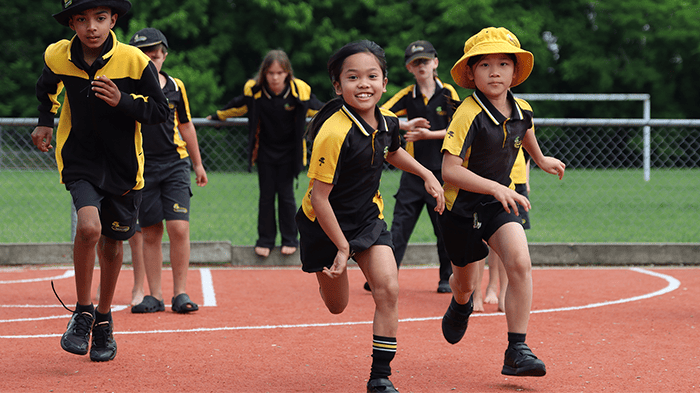
We're helping teachers turn everyday learning into opportunities for movement.
With significant changes to New Zealand's primary and intermediate school curriculum, teachers are facing increasing pressure to fit more into an already busy school day.
And for some, physical activity is becoming one of the first things to fall off the timetable.
But what if movement didn't have to compete with reading, writing and maths? What if it could help children learn?
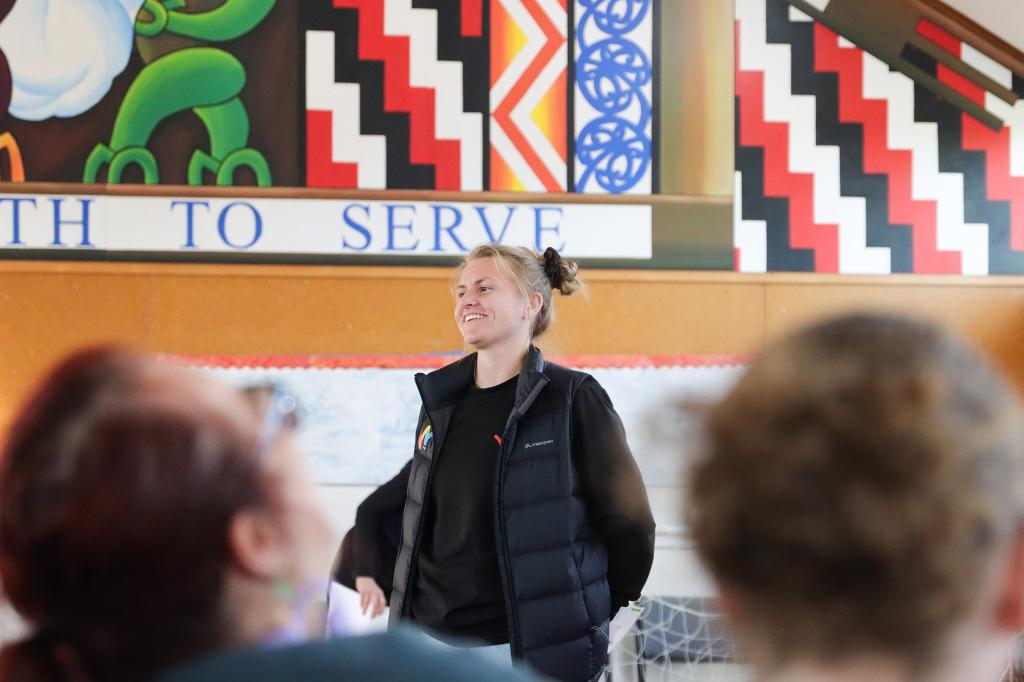
That's the thinking behind a series of Active Learning workshops developed by our Professional Learning Partner, Jana Verbeek and Professional Learning Partner Manager Nikki Willis which have already attracted over 300 teachers from across the Waikato region.
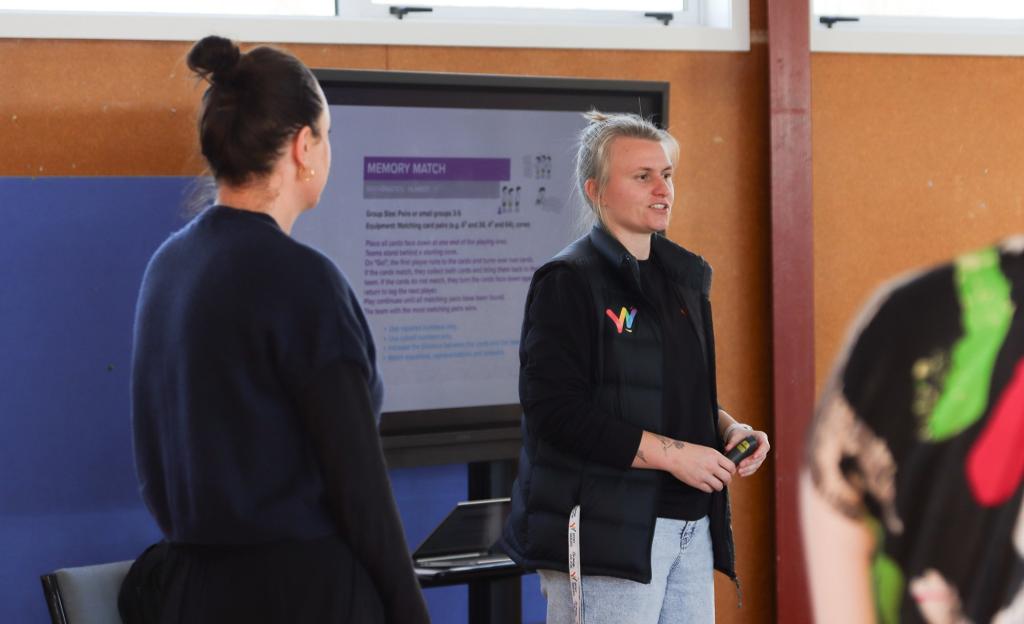
As schools adapt to changes in the curriculum, the emphasis on literacy and numeracy has left many teachers questioning where physical education and movement fit.
Jana and Nikki were hearing it directly from schools. Teachers understood the importance of physical activity, but with new teaching approaches, assessments and planning requirements, finding time for it was becoming increasingly difficult.
Rather than asking teachers to squeeze another activity into their day, our team approached the challenge differently - asking what if physical activity became part of the learning itself?
The result is a practical approach to active learning that uses simple movement-based games to reinforce literacy and numeracy concepts.
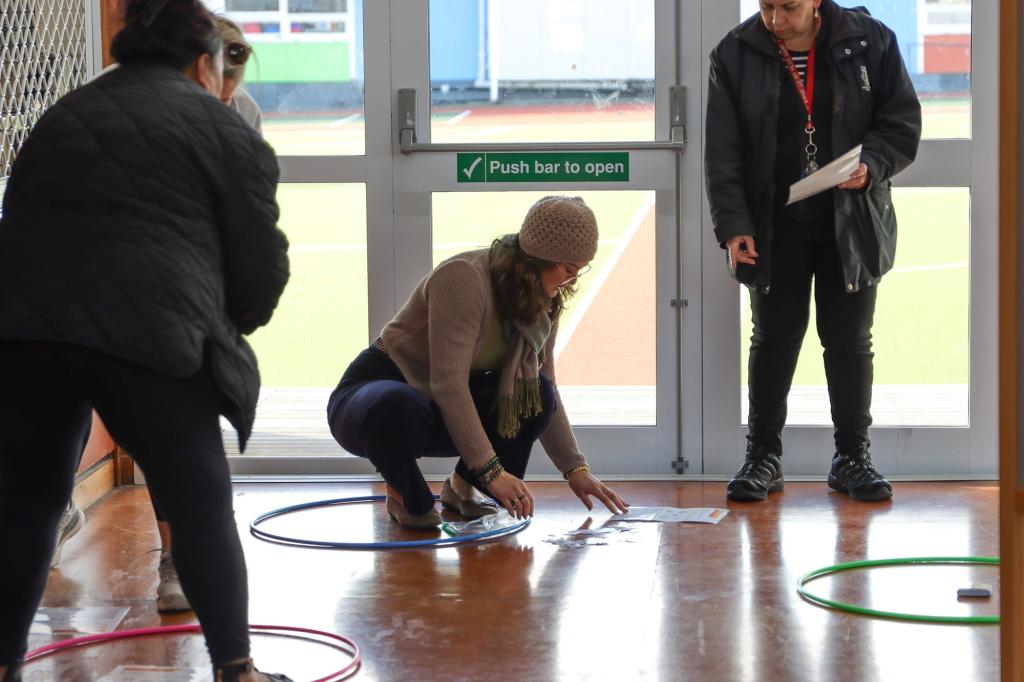
The activities aren't intended to replace explicit teaching. Instead, they provide opportunities for students to practice, retrieve and consolidate what they've already learned, while getting their bodies moving.
And importantly, they can happen within existing curriculum time.
“It’s one thing to run a workshop with all these games, but it was important for us to also have the teachers truly understand the research, science, and implication of movement for learning. And some of them were like, ‘Wow, so valuable!’,” says Jana.
“We connect memory with movement and students can't consolidate something into their long-term memory if they're not actually practising, encoding or experiencing it for themselves. And so, a lot of that can happen through active learning.”
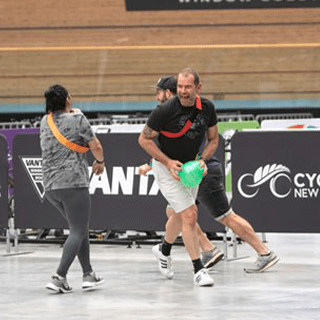
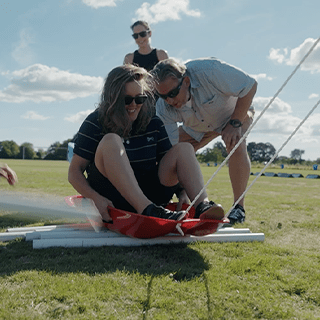
The workshops are deliberately hands-on. Teachers get to experience the games themselves, explore how they connect to curriculum learning and leave with resources they can adapt for their own classrooms.
Most activities require little equipment and are designed to be easy to introduce without creating significant additional planning or preparation.
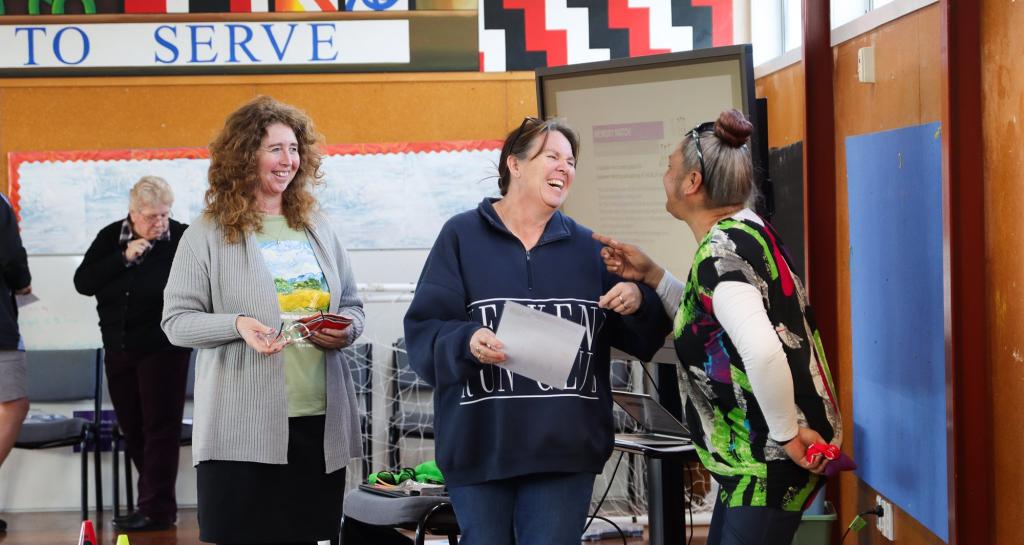
The workshops are also tailored to different curriculum phases, making the activities relevant to the students teachers work with.
For one Huntly deputy principal, who had previously worked with Jana to integrate maths and physical education, the workshops provided new ideas and renewed confidence to make movement a regular part of classroom learning.
"There is such a need for linking and integrating the new curriculum with movement," Nina says.
The teacher explained that their school was now looking at adapting its planning template to deliberately include active learning within literacy and numeracy lessons.
"So now it's having a space for active learning in there, and then stating what activity or what is it going to be under literacy, is it going to be under numeracy. So, you know, making it purposeful."
Teachers are seeing the possibilities, and the response has exceeded initial expectations.
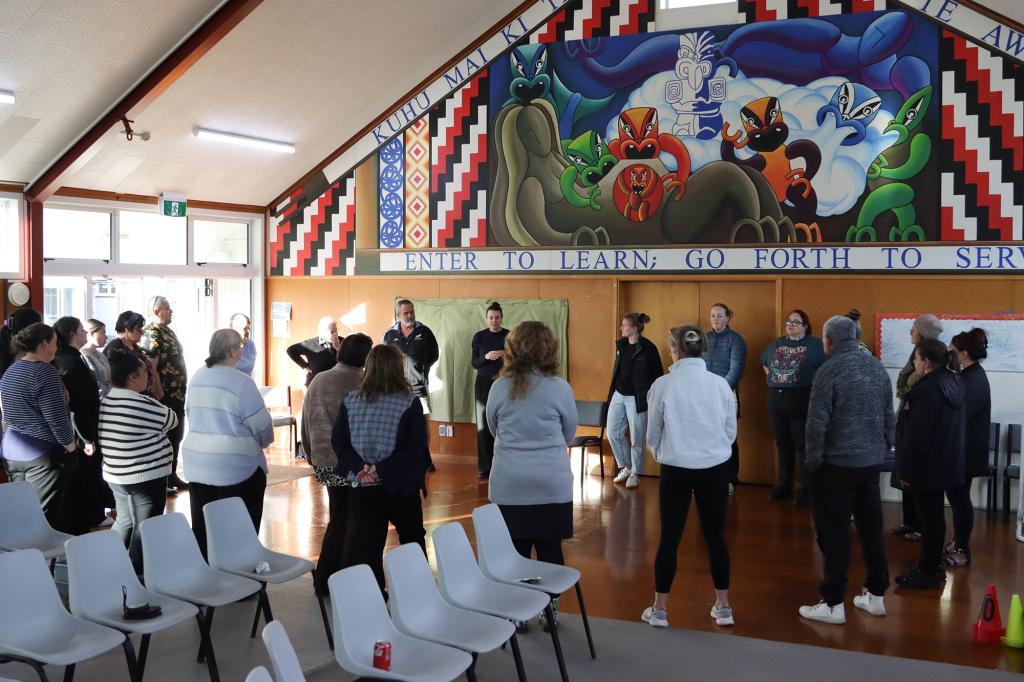
Even with many workshops being held after school, teachers have attended in significant numbers, with some schools sending entire teaching teams.
For one principal attending the Huntly workshop, the experience was a reminder that curriculum changes don't have to mean abandoning integrated learning.
"With all the change in the curriculum... it's really good to see that we can still bring integration," Adam, Principal at Kimihia School says.
"Because I think we've thought, just with the changes, 'Oh, we've got to go away from that.' But actually, this is reminding us, even as a principal that doesn't teach all the time, it's refreshing to hear that the teachers can bring integration back."
Some schools are already taking the next step.
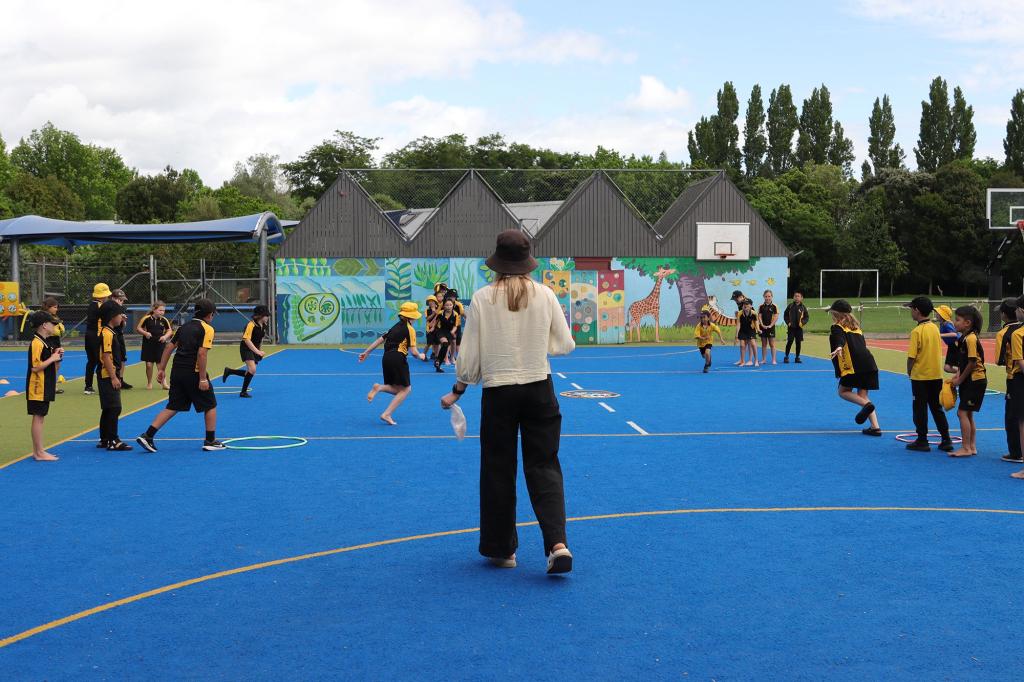
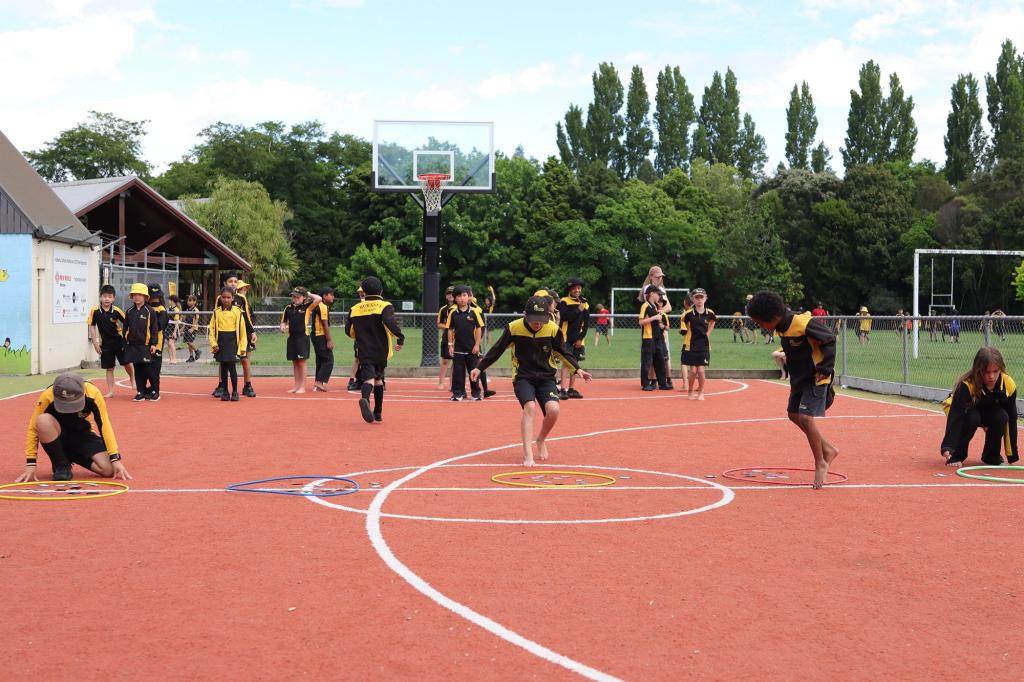
Hukanui School’s Kim Rowland says the students are motivated to do it, and there is so much more discussion about the learning task as they are actively having to keep recalling the learning.
“Amazing PD which has continued to grow the learning of the team. We have planned a 5 week unit after cross country which is purely active learning, a range of english and maths and using some of the new ideas from the PD as we have more time than our usual slot. Kids are super engaged, and not only reinforcing learning, but getting active at the same time,” says Kim.
At Vardon School in Hamilton, teachers have introduced movement-based activities into numeracy lessons, with early feedback indicating some classes are now incorporating them daily, with 85% of responding teachers at Vardon School using active learning at least weekly.
Aside from simply getting tamariki moving, Vardon teachers reported increased enjoyment, participation, collaboration, opportunities to practise maths concepts, and better visibility of what students understood.
One teacher noted "Good level of engagement and student agency, students take on the role of supporting each other and have learned to explain more rather than just command."
Another described how students who were often disengaged were practising mathematical concepts because they saw the activities as games rather than conventional learning tasks.
And most importantly, one teacher’s comment "Transition in thinking from, do I have time for this to, this is time well spent" really sums up the value active learning brings.
These are encouraging early examples of how active learning can become part of everyday classroom practice, rather than another initiative competing for teachers' time.
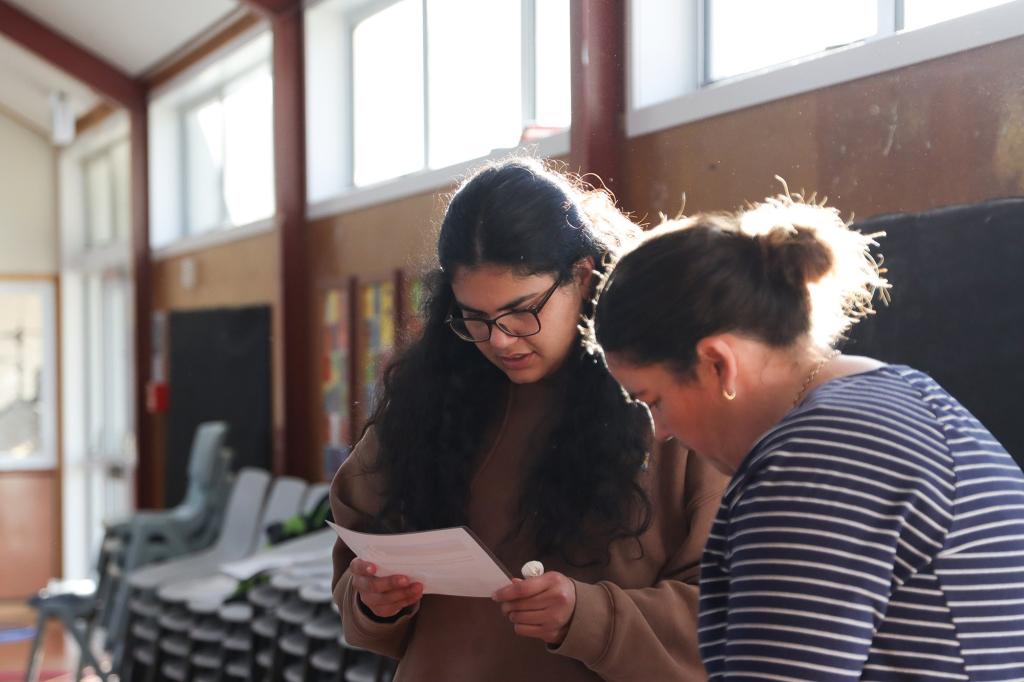
For Jana and Nikki, the greatest achievement isn't simply the number of teachers attending. It's seeing schools take the ideas, make them their own and begin sharing them with others.
“What started with a few workshops has created a ripple effect. Teachers are talking, sharing and seeing the impact for themselves - and that’s creating a genuine appetite for Active Learning. It’s no longer us trying to convince people; teachers are seeing it in action and wanting to be part of it,” says Jana.
With interest continuing to grow, we’re delivering more workshops across the region, supporting schools to overcome equipment and preparation barriers, and following up with teachers to understand what has changed in their classrooms.
Because the goal isn't simply to get children moving more, it's to help schools recognise that movement and learning don't have to be separate parts of the school day - they can happen together.