As the world changes, so must we
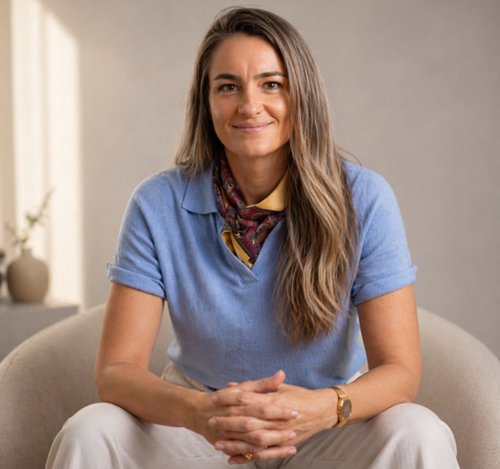
When Sport Waikato Head of Digital & Innovation Leanne Bats spoke at the IWG Women & Sport Global Summit in Birmingham, she began from a deeply personal place.
“Sport is a gift I was given. I’ve dedicated much of my working life to ensuring more people get the same as I did.”
For Leanne, that gift was bigger than competition, performance or sporting pathways. It was the connection, belonging, community, identity and meaning that sport created for her. These are the things that shaped her own experience of sport and, she argues, the things worth protecting as we consider what its future could look like.
But protecting those outcomes does not necessarily mean protecting every structure through which previous generations experienced them.
That distinction sat at the heart of Leanne’s keynote, As the world changes, so must we, which explored the future of sport through a youth-focused lens.
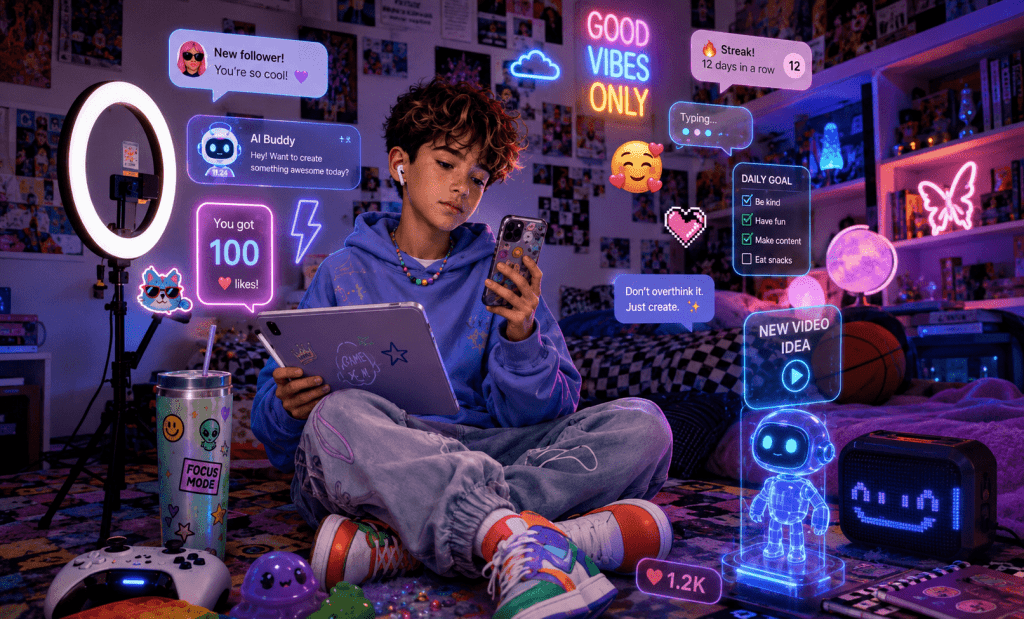
Young people are growing up in social conditions that are markedly different from those in which many of our current sporting systems were built. The internet has changed how people find one another and how communities form. Technology has transformed how we participate, communicate and spend our time. Artificial intelligence is beginning to reshape work, creativity and human interaction. Even the way identity is formed is changing.
For previous generations, much of identity and belonging was inherited through the world immediately around us: family, geography, school, culture, religion and local community.
Young people today have access to almost unlimited communities, interests and identities. Increasingly, the places they belong and the things they care about are discovered rather than inherited.
Their behaviour is already showing us what this changing environment looks like.
We can see it in their sports fandom which is more fluid, personal and social. We can see it in participation that can be social or solo, informal and on demand. We can see it in the ease with which young people move between physical and digital experiences, often without making the distinction between the two that previous generations might.
These patterns are often framed as problems for sport to solve. When young people participate differently, or step away from traditional sporting structures altogether, it can be tempting to diagnose the young person.
They lack commitment. Their attention spans are shorter. They have too many competing interests. They spend too much time online.
Leanne challenged that assumption.
“This isn’t a character problem. It’s a design problem.”
A changing relationship with traditional sport does not mean young people value what sport provides any less. In fact, Leanne reasons that what sport can provide may become more important in the world they are growing into.
Connection. Belonging. Community. Identity. Meaning.
Workplaces are changing. Education is changing. Traditional community institutions are changing. More parts of everyday life can now be experienced remotely, individually and through a screen.
Against that backdrop, sport retains an unusual capacity to bring people together around shared effort, challenge, emotion and experience. And also, a unique ability to help young people understand who they are, build confidence in themselves which they then take onto other aspects of their lives.
Leanne describes this as sport’s potential to become “critical connection infrastructure”. A place in society where people can continue to find one another, build relationships, develop identity and experience genuine belonging.
This presents sport with an important paradox. Its human value could become more important at exactly the same time that some of its traditional forms become less relevant.
If that’s true, the question cannot simply be: how do we bring young people back to sport? It needs to become: how can sport go forward to meet them?
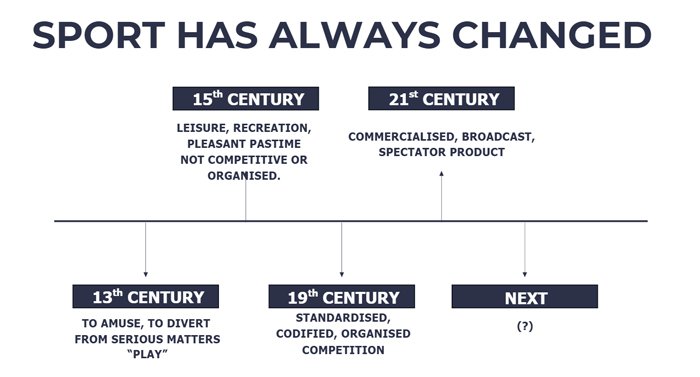
And answering that requires us to challenge another assumption, that sport itself is fixed. Something the history of sport supports.
Sport has continually changed in response to the society around it. Rules have evolved. Formats and competitions have changed. New sports have emerged. Technology has altered how sport is played, watched and shared. Many of the things now regarded as sporting traditions were themselves once innovations.
The form has always been able to change. The deeper human function is what endures.
That distinction can be particularly difficult for those of us whose lives have been shaped by traditional sport. We may have found belonging through a club, identity through a uniform, community through a team, progression through a pathway and meaning through competition. Because those mechanisms worked for us, it is easy to assume the mechanisms themselves are what must be protected.
But the structure and the value it creates are not the same thing.
“If what we really care about is ensuring more people experience the benefits of sport, then we have to be willing to ask whether the forms we inherited are still the best way of delivering them,” says Leanne.
Belonging may still come through a traditional club, but it does not have to. Competition may still take the form of a season-long league, but it does not have to. Participation might be team-based or individual, physical or digital, organised or on demand, or something sitting between the categories we recognise today.
For women and girls’ sport, this creates a particular opportunity. Rather than simply recreating models inherited from the past, there is an opportunity to consider what sport might look like when designed around the lives, identities and behaviours of the generation in front of us.
Young people do not need to predict that future for us. Their behaviour is already giving us clues about where the world is heading. Our challenge is to recognise those signals and be willing to respond.
For Leanne, this brings the argument back to where it began: Sport was a gift she was fortunate to receive. But ensuring more people receive that same gift does not mean their experience of it needs to look like hers.
The challenge for sport is to be clear about what we are really trying to preserve.
Are we trying to preserve the version of sport we experienced? Or are we trying to maximise the number of people who get what sport gave us?
As the world changes, so must we.