Activating Communities Through Programmes: A Waikato Example
Walking Netball and Reprogrammed Traditional Games
By Jordan Farrington, Sector Capability Advisor – Programmes and Environments
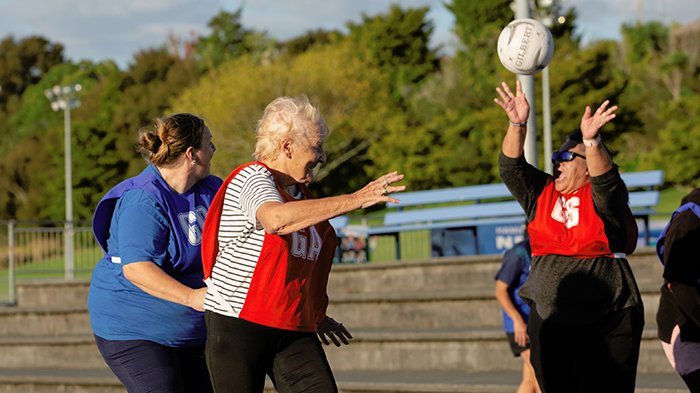
A clear example of how programmes can meet community needs is Walking Netball, delivered by Hamilton City Netball Centre.
Walking Netball enables people of all ages and stages to simply play, reconnect and enjoy movement without the pressures of competitive sport. It is part of a wider shift Hamilton City Netball Centre is leading toward more flexible, less formal formats that focus on enjoyment and playing sport with friends. These approaches create welcoming environments for people who may not feel ready for traditional competitive formats but still want to stay active and connected.
Click Here: Walking Netball information:
Another example is reimagining traditional sports such as cricket. Saturday morning cricket is, and will continue to be, the format where many tamariki and young players grow their skills, compete and connect through the traditional pathway. This remains an important part of our sporting landscape.
Alongside this, Smash Play offers a way for tamariki who are not currently active, or who may not feel ready for traditional sport, to experience movement, fun and connection in a different way. Smash Play is a first sport experience, focusing on enjoyment, skill development and learning. It is a quality foundational pathway and gateway into sport, helping tamariki build confidence before entering more formal formats.
Click Here: Smash Play Cricket Programme:
Because Smash Play is accessible and locally led in smaller communities, it enables parents and whaanau to bring their children along and see, feel and experience the benefits that sport has to offer.
These shifts show how sport can evolve to meet diverse community needs and create environments where more young people feel comfortable participating.
Why Programmes Matter
Programmes are low cost, low commitment and centred around people. They attract participants who may not join traditional teams, including rangatahi, women and girls, beginners, parents returning to activity and older adults.
When organisations design programmes that reflect the needs and motivations of their community, they reach more people and create stronger, more sustainable engagement.
Programmes allow sports organisations to:
- respond to changing participation trends
- meet people where they are
- remove barriers and pressures
- create welcoming and safe environments
- introduce new groups to movement and sport
This level of impact is not always achievable through traditional competition.
Growth Across the Region
Across the Waikato, more organisations are activating their communities through programmes, including:
- Short-format introductory modules
- Social and whānau-friendly activity options
- Girls-only initiatives
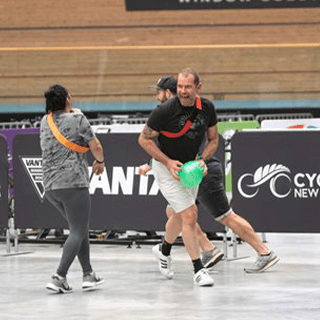
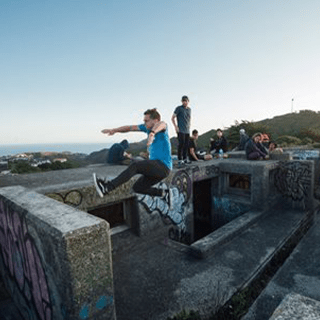
- Non-traditional offerings such as skate, dance, 3x3 or Kī-o-Rahi
- Lunchtime and after-school activation in schools
- Walking Netball and values-based cricket programmes such as Smash Play
These approaches help build confidence, spark enjoyment and encourage participation from those who might otherwise remain on the sidelines.
Programmes Reflect What Communities Want
Insights from Sport NZ show growing interest in flexible, informal and social activity. Many people want variety, shorter commitments and environments that feel welcoming and pressure-free. Programmes respond directly to these needs and help more people stay active and engaged.
Placing Your Programme on the Pathway
Before designing or delivering a programme, it is important to understand where it sits on the Sport NZ participation pathway. This helps ensure that each programme is fit for purpose and meets the needs of the people you are trying to reach.
Sport NZ Pathways:
Consider these questions:
- Is this programme an onboarding or introductory experience?
- Is it a foundational stage where participants are learning skills and building confidence?
- Is it a social experience where connection and enjoyment are the priority?
- What do participants in this stage need most from you?
Different stages require different approaches, levels of support and success measures. Being clear about purpose helps organisations create environments where people feel welcome, supported and able to grow.
A Simple Approach to Programme Activation
- Understand where your programme sits on the pathway
- Identify what your community wants and who the programme is for
- Design experiences that reduce barriers and increase enjoyment
- Support the people who deliver the programmes
- Communicate what success looks like and why it matters
- Review insights and strengthen future offerings
- Tū Manawa funding is available to help organisations activate programmes that support onboarding, foundational or social experiences for tamariki and rangatahi, ensuring young people can move through the participation pathway with confidence and connection.
Programmes are more than activities. They are purposeful tools that help communities connect, belong and stay active in ways that are positive, meaningful and relevant to everyday life.
For programme design or activation support contact:
Jordan Farrington
Sector Capability Advisor – Programmes and Environment
Sport Waikato
jordanf@sportwaikato.org.nz
For Tū Manawa funding support and guidance:
Amanda Ratuki
Community Funding Coordinator
Sport Waikato
tumanawa@sportwaikato.org.nz
 Jordan Farrington
 Jordan leads the development of programmes and sporting environments across the Waikato that support positive experiences for people in sport. His work focuses on supporting those who lead and guide the experience - including coaches, parents, and sport and school leaders - to create environments that are inclusive, development-focused, and grounded in play and learning. Alongside the Sport Waikato team, Jordan helps shape programmes and systems that prioritise participation, connection, and holistic development over performance outcomes.